
Introduction
In the ever-evolving landscape of weight loss supplements, LeanBiome has garnered attention for its purported ability to aid weight loss through a unique blend of ingredients. As obesity rates continue to rise globally, many individuals are seeking effective solutions for weight management. This report delves into the mechanisms of LeanBiome, its ingredients, scientific backing, and user experiences to assess its efficacy for weight loss.
Understanding LeanBiome
LeanBiome is marketed as a dietary supplement designed to support weight loss by promoting gut health. The product claims to harness the power of probiotics and prebiotics to enhance the body’s metabolism, improve digestion, and ultimately facilitate weight loss. The central premise is that a healthy gut microbiome can influence body weight and fat storage, making it a critical area of focus for those looking to shed pounds.
Ingredients of LeanBiome
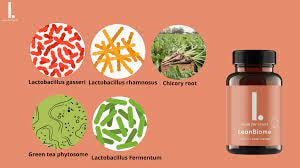
LeanBiome’s formulation includes a variety of probiotics, prebiotics, and other natural ingredients. The primary components typically include:
- Probiotics: LeanBiome features several strains of beneficial bacteria, such as Lactobacillus and Bifidobacterium. These probiotics are known for their role in gut health, potentially aiding digestion and reducing inflammation.
- Prebiotics: Ingredients like inulin and other fibers serve as food for probiotics, promoting their growth and activity within the gut. This symbiotic relationship is crucial for maintaining a balanced microbiome.
- Green Tea Extract: Known for its antioxidant properties, green tea extract may help boost metabolism and enhance fat oxidation, contributing to weight loss.
- Glucomannan: This natural dietary fiber may promote a feeling of fullness, reducing overall calorie intake.
- Other Natural Extracts: LeanBiome may also contain various herbal extracts that are believed to support metabolic health and fat loss.
Mechanisms of Action
The proposed mechanisms by which LeanBiome aids weight loss revolve around its impact on gut health and metabolism:
- Gut Microbiome Influence: Research suggests that an imbalance in gut bacteria can lead to weight gain and metabolic disorders. By introducing beneficial probiotics, LeanBiome aims to restore this balance, potentially leading to improved metabolism and fat storage regulation.
- Enhanced Digestion: Probiotics can improve digestion and nutrient absorption, which may help the body utilize calories more efficiently and reduce bloating.
- Appetite Regulation: Ingredients like glucomannan can promote satiety, helping individuals consume fewer calories without feeling deprived.
- Metabolic Boost: Components such as green tea extract may increase metabolic rate, leading to greater calorie expenditure even at rest.
Scientific Evidence
While the individual components of LeanBiome have been studied for their health benefits, comprehensive clinical trials specifically examining LeanBiome as a whole are limited. However, some relevant research includes:
- Probiotics and Weight Loss: A review published in the journal “Obesity” noted that certain strains of probiotics could lead to modest weight loss in overweight individuals. However, results varied significantly among different strains and populations.
- Prebiotics and Appetite Control: Studies have shown that prebiotics can enhance feelings of fullness and reduce calorie intake, suggesting that the prebiotic components in LeanBiome may contribute to weight management.
- Green Tea Extract: Research indicates that green tea extract can aid in fat oxidation and improve metabolic rate, supporting its inclusion in weight loss supplements.
Despite these findings, it is important to note that results can be inconsistent, and not all studies provide conclusive evidence supporting the effectiveness of these ingredients for weight loss.
User Experiences
User testimonials and reviews of LeanBiome vary widely. Some individuals report positive experiences, noting weight loss, increased energy levels, and improved digestion. Many users appreciate the natural ingredients and the absence of harsh stimulants commonly found in other weight loss supplements.
Conversely, some users express disappointment, stating they did not experience significant weight loss or any noticeable changes. This disparity in results may stem from individual differences in metabolism, diet, lifestyle, and adherence to the supplement regimen.
Considerations and Recommendations
- Consult with a Healthcare Professional: Before starting any new supplement, including LeanBiome, it is advisable to consult with a healthcare provider, especially for those with pre-existing health conditions or those taking medications.
- Adopt a Holistic Approach: While LeanBiome may offer benefits, it should not be viewed as a standalone solution. Incorporating a balanced diet, regular exercise, and healthy lifestyle choices is essential for effective weight management.
- Monitor Progress: Individuals using LeanBiome should track their weight loss journey, noting any changes in appetite, energy levels, and overall health. This can help assess the supplement’s effectiveness.
- Manage Expectations: Weight loss is a complex process influenced by various factors. Users should maintain realistic expectations and understand that results may take time.
Conclusion
In summary, LeanBiome presents a unique approach to weight loss by focusing on gut health through a combination of probiotics, prebiotics, and natural extracts. While some scientific evidence supports the individual components of LeanBiome, comprehensive studies on the product itself are limited. User experiences are mixed, highlighting the importance of individual variability in response to dietary supplements. For those considering LeanBiome, it may be a beneficial addition to a broader weight loss strategy that includes healthy eating and regular physical activity. Ultimately, more research is needed to fully understand the effectiveness of LeanBiome for weight loss and its long-term implications for health.